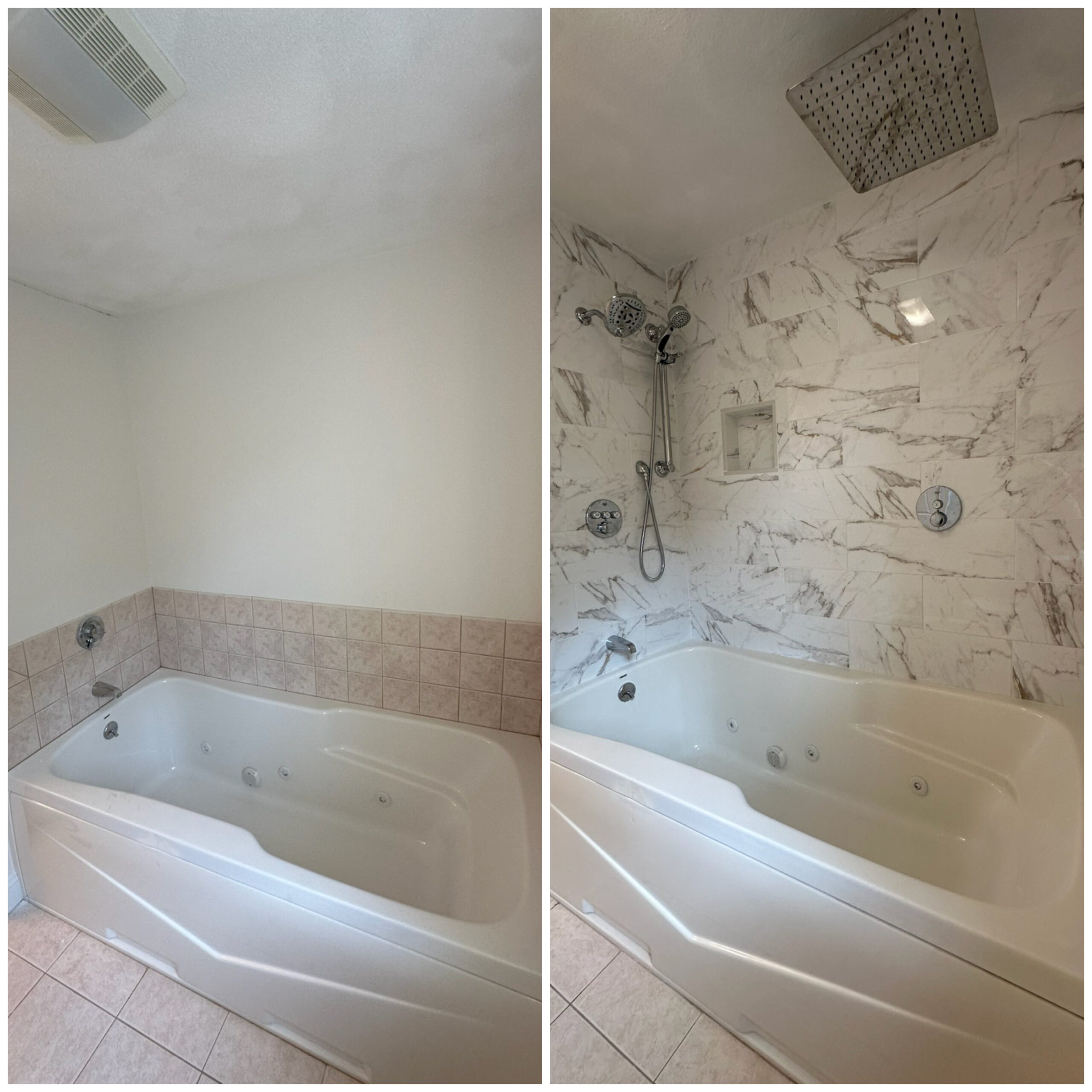
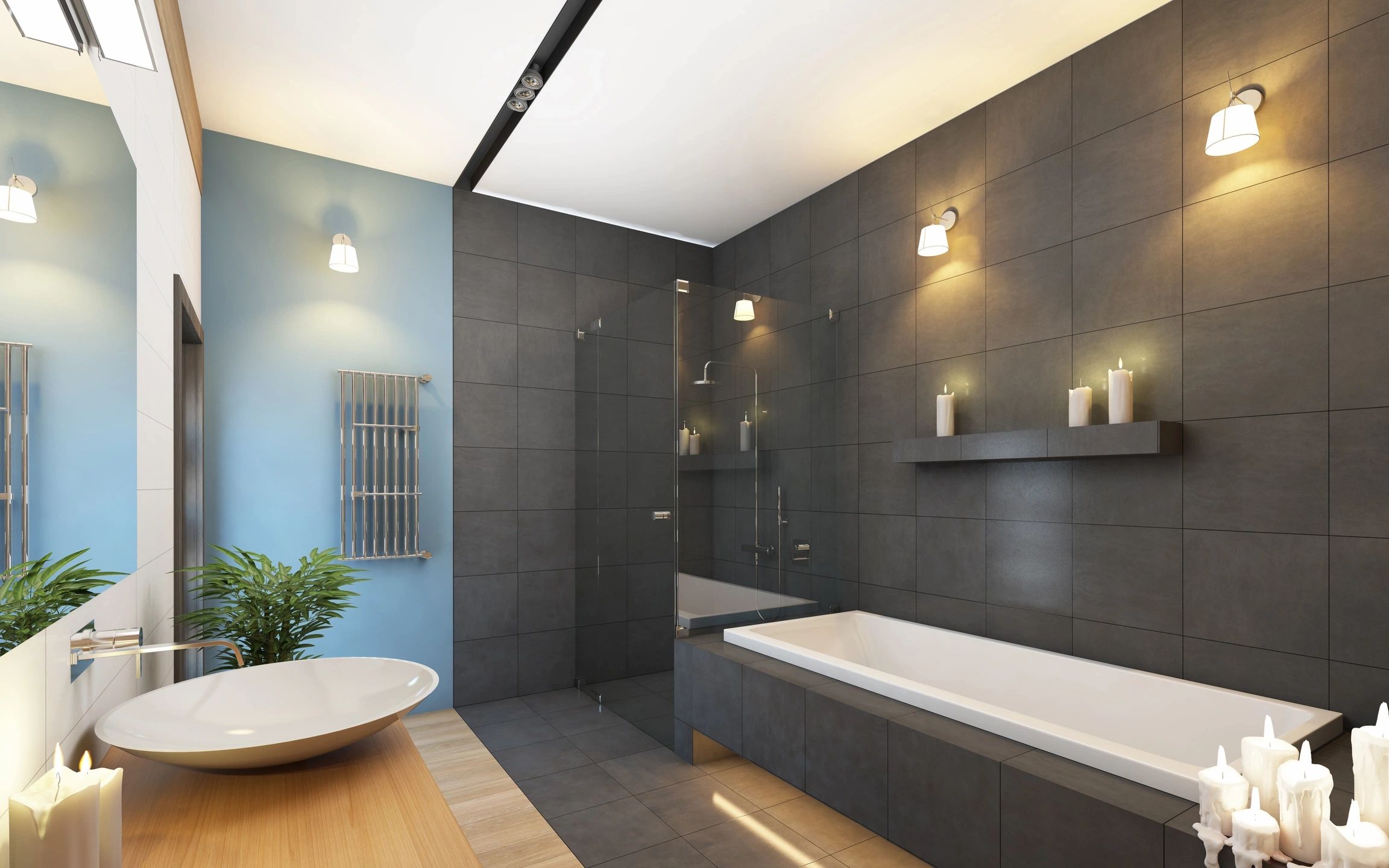
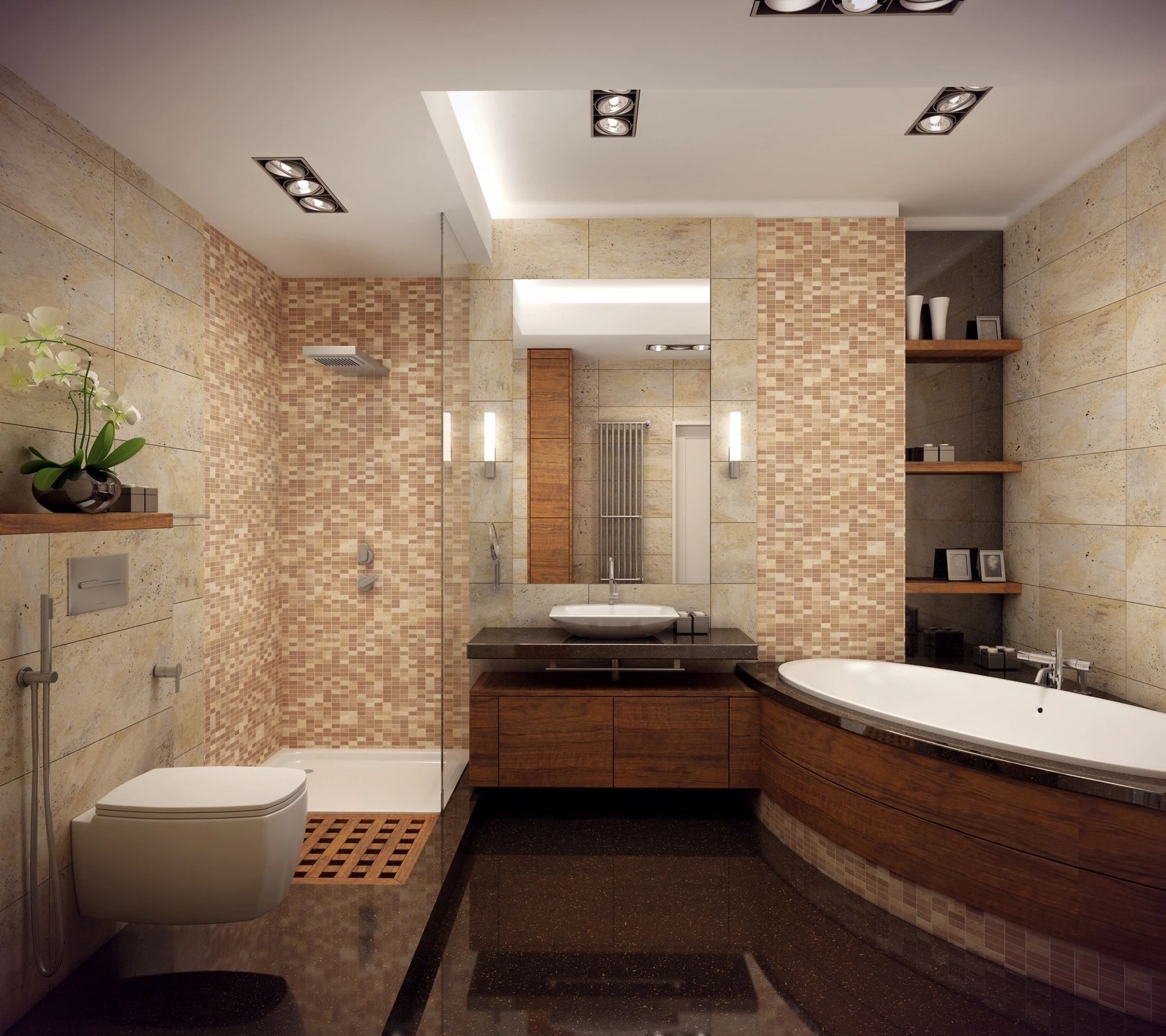
A standard residential bathroom remodel typically takes anywhere from 2 to 5 weeks from initial demolition to final fixture trim, depending on the scope of work, custom material lead times, and structural adjustments. Understanding each phase helps homeowners plan accordingly and ensures a smooth, predictable construction process.
Before a single hammer swings, meticulous planning determines the ultimate success and timeline of your bathroom transformation. This phase involves finalizing layout designs, securing tile, vanities, plumbing fixtures, and lighting, and pulling necessary local building and plumbing permits. Ordering custom vanities or specialty tiles ahead of time prevents costly project delays once construction is underway.
PLANNING PHASE
Design & Sourcing
REGULATORY COMPLIANCE
Permits & Approvals
Advance Material Staging
Receiving and inspecting tiles, fixtures, and vanities on-site prior to demo avoids supply chain holdups.
Municipal Permit Approval
Ensures electrical, plumbing, and structural changes comply strictly with local building safety codes.
TYPICAL DURATION: 1 TO 3 WEEKS
The Foundation of an On-Time Project
Rushing through the design and material selection stage is the leading cause of mid-construction delays. Confirming all measurements and ordering items with long lead times before demolition guarantees efficient execution.
Once permits are secured and materials are staged, physical construction begins with complete gut demolition. Old tiles, tubs, vanities, drywall, and compromised flooring are carefully stripped down to the bare studs and subfloor. This critical window allows builders to inspect for hidden water damage, wood rot, or structural settling, ensuring a sound base for the new installation.
Controlled Tear-Down
Safely removes old fixtures and finishes while protecting adjacent living areas from dust and debris.
Subfloor & Framing Audit
Identifies and corrects any hidden water damage, sagging joists, or uneven subfloor sub-surfaces.
BUILDER'S INSIGHT
Uncovering Hidden Surprises
It is common during demolition to discover past slow leaks around tub flanges or toilet rings. Addressing these issues immediately during the demo phase prevents structural failure down the road.
With the framing exposed, licensed tradespeople run new supply lines, sanitary drainage, vent stacks, and electrical wiring. Whether you are reconfiguring the layout to accommodate a freestanding tub, double vanity, or curbless shower, this phase ensures all mechanical systems meet current building codes and support your new fixture layout perfectly.
Supply & Drain Reconfiguration
Positions mixing valves, shower drains, and waste lines precisely according to your new fixture specs.
GFCI & Task Lighting Wiring
Installs dedicated circuits, waterproof shower lights, vanity sconces, and ventilation fan ducting.
Waterproofing is the most crucial protective phase of any bathroom renovation. Installing continuous waterproof membranes (such as Schluter-Shower systems or liquid waterproofing barriers) over cement backer boards guarantees that moisture never penetrates wall cavities or subfloors. Once moisture protection is certified, master tile setters lay out, cut, and grout floor and shower tile work with precision.
WATERPROOFING STANDARD
Sub-Surface Membrane & Tile
100% Seamless Waterproofing
Guards shower enclosures and wet areas against vapor transmission and long-term water damage.
Precision Tile Craftsmanship
Delivers flawless alignment, proper drainage slopes, and durable epoxy or polymer grouting.
The final phase brings the entire design to life. Vanities, countertops, sinks, faucets, toilets, and glass shower doors are installed and tested. Electricians mount mirrors, sconces, and switch plates, while painters apply moisture-resistant trim and wall finishes. After a thorough cleaning and final quality check, municipal inspectors sign off on the permits, completing your project.
Fixture Installation
Mounting vanities, setting toilets, hanging glass shower doors, and connecting trim valves.
Paint & Trim Sealing
Applying mildew-resistant satin paint and meticulous silicone caulking around all wet joints.
Final Inspection & Handover
Pressure testing lines, verifying drainage flow, and securing municipal permit sign-offs.
How long does a standard bathroom remodel take?
+
A typical residential bathroom remodel takes between 2 to 5 weeks of active on-site construction, depending on whether it is a cosmetic update or a full gut renovation with layout reconfigurations.
What factors cause bathroom remodeling delays?
+
Common causes of delay include long lead times for custom vanities or tile, discovering hidden water damage during demolition, and waiting on municipal building inspector scheduling.
Can I stay in my home during a bathroom remodel?
+
Yes, homeowners almost always stay in their homes. Professional contractors use dust-barrier containment systems and maintain tidy workspaces to minimize disruption to your daily routine.
Do I need permits for a bathroom remodel?
+
Building permits are generally required if you are altering plumbing lines, moving electrical wiring, changing structural walls, or installing new ventilation fans.
What is the most time-consuming phase of a bathroom remodel?
+
Tile installation and waterproofing typically take the most time because multiple layers of membranes must cure properly, and meticulous tile cutting and grouting require expert craftsmanship.
How can I prepare before the remodeling crew arrives?
+
Clear all personal items, cosmetics, and towels from the bathroom, secure pets in a separate area, and ensure a clear pathway from the entryway to the work zone for tools and materials.
START YOUR BATHROOM TRANSFORMATION
Ready to Upgrade Your Bathroom?
Get an accurate timeline and expert craftsmanship for your upcoming bathroom renovation. Schedule a consultation with Upper Lower Renovations today.